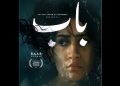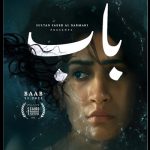




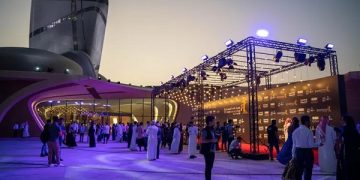




























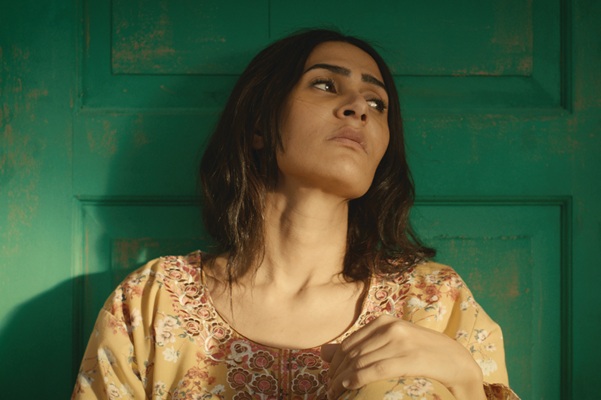
Emirati filmmaker Nayla Al Khaja’s second feature ‘BAAB’, a psychological drama that explores grief, memory and loss, premiered in the UAE last month. In an interview with Vijaya Cherian, she reflects on the creative and emotional forces that shaped the film
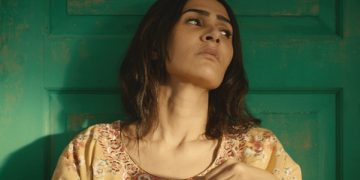
BAAB centres on a woman grappling with the death of her twin sister while living with tinnitus, a condition that becomes both a physical affliction and an emotional conduit within the plot. The film, co-written with Emirati writer Masoud Amralla Al Ali, is partly inspired by Nayla Al Khaja’s own experiences with loss and grief. BAAB is also the first Arabic-language film to feature award-winning composer AR Rahman, who brings an exceptional musical dimension to the narrative.
The production brought together a regional and international crew of around 140 people, including DoP Rogier Stoffers, film editor Sebastian Funke and sound designer Krishnan Subramanian. Shot in Ras Al Khaimah in under 19 days instead of the originally planned 32, BAAB was produced by Al Khaja along with Sultan Saeed Al Darmaki and Jude S. Walko under the Dark Dunes Productions umbrella.
The film’s intensity, and its confluence of music, silence and visual storytelling, set the stage for this conversation with the filmmaker about the creative choices that brought it to life.
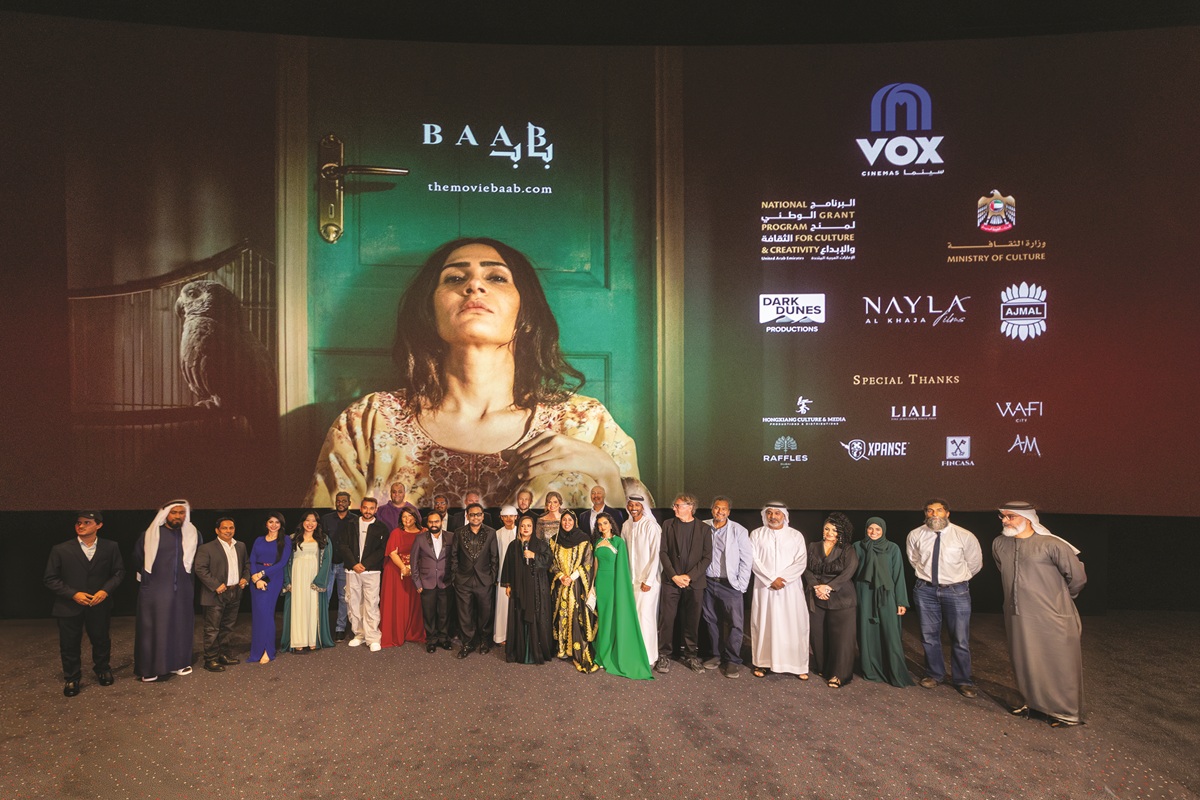
This film feels so intensely personal, yet the set was large. How did you protect intimacy and emotional focus?
Scale can be deceptive. Even with a large crew, intimacy is protected by intention. I kept the emotional core very close, limited access during sensitive scenes and made sure the cast felt emotionally safe. We created quiet pockets on set where performance mattered more than logistics. When the heart of the film is protected, the scale dissolves.
Portraying female grief in a society where emotion is often private can be challenging. How did you approach this at the script stage with Masoud?
Writing with Masoud was an act of trust. We spoke openly about grief, silence and what is often left unsaid. Rather than explaining pain, we allowed it to exist. The script was built around restraint. What is not written is just as important as what is written. That approach honoured the privacy of emotion while giving it space to breathe. Interestingly, I had tinnitus just like the character – and then Masoud developed it as well in the middle of writing the script! He was in so much pain; he said my script must have had such dark energy.
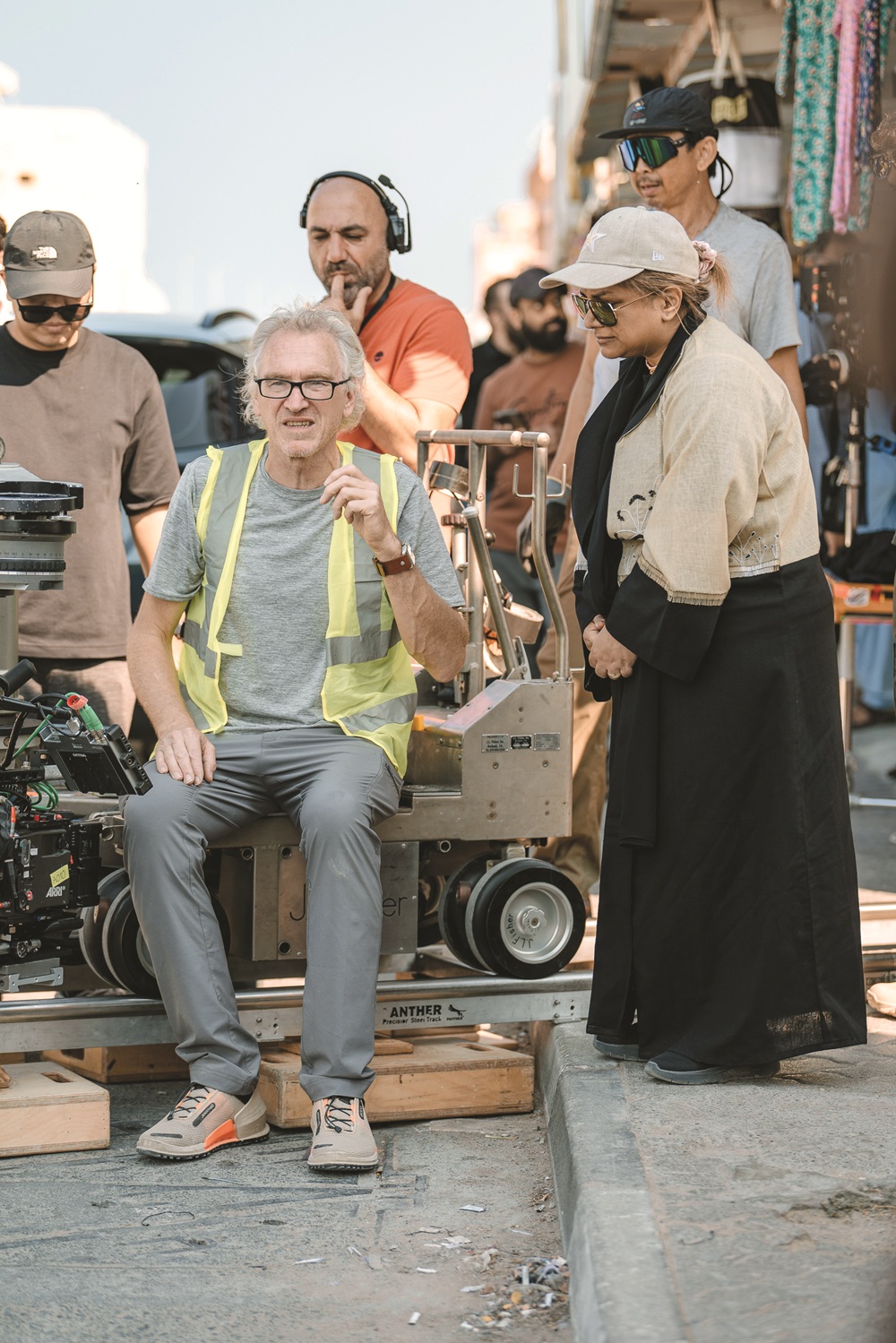
Sound and silence feel like part of the same symphony. Was there ever a temptation to explain more?
Absolutely. There is always that moment in the edit where you wonder if the audience needs more guidance. But I chose to trust the viewer. Silence is not absence, it is invitation. We worked carefully so that quiet never felt empty. It remained emotionally charged. I believe audiences are far more intuitive than we give them credit. Sound design was particularly challenging in this film, so I travelled to Chennai to work with Krishnan Subramanian for 45 days straight to bring it to a place where it felt right.
Did working with senior artists ever create creative tension, particularly with AR Rahman?
There were strong opinions, but never conflict. What I valued was that everyone respected the emotional language of the film. AR Rahman approached BAAB with sensitivity. When differences arose, they were always resolved keeping in mind what served the story best. That kind of collaboration elevates the work; he also has a very relaxed demeanour and is very passionate and comes up with innovative ideas. It was also his first foray into this genre, which presented a challenge that excited him.
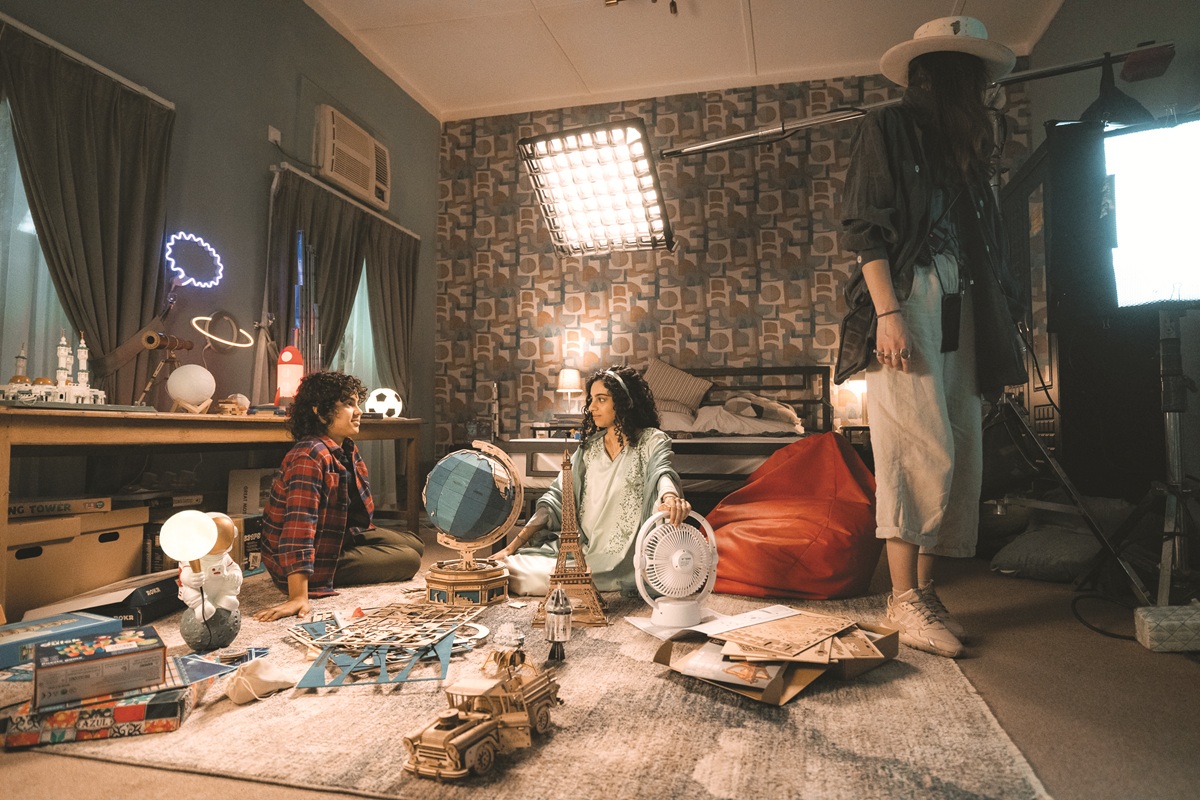
Between Three and BAAB, how have you evolved as a filmmaker?
I learned to listen more and explain less. With BAAB, I trusted instinct over reassurance. I avoided over-structuring and rushing emotional beats, and allowed ambiguity to exist. I also learned the importance of preparation, especially when dealing with psychologically demanding material. The two films are very different, but with BAAB I feel I discovered my cinematic voice more fully.
What were the biggest challenges during shooting?
The shooting schedule was extremely tight, leaving very little room for error or flexibility. We simply didn’t have the luxury to over-extend or experiment endlessly with shots. On top of that, the emotional weight of the material was heavy and maintaining that intensity consistently was challenging. Working within the budget added another layer of pressure, as did assembling the right cast and crew to support such a demanding film. Every decision had to be precise and intentional. I remember some days when I only had one or two shots per scene, which was brutal.
Did you worry the film might be too local to travel internationally?
I never worried about it being too local. The more specific you are, the more universal the emotion becomes. Cultural detail grounds the film, but grief, love and loss are shared human experiences. That balance came naturally once we committed to emotional honesty. After the premiere, most of the feedback came from European viewers, so I believe the film travelled well and language was not a barrier.
What do you hope international audiences take away that reviews may not yet capture?
I hope they feel something linger. BAAB is not meant to be consumed quickly. It is meant to stay with you, to surface later in quiet moments. That internal echo is more important to me than immediate interpretation.
Can you share some technical details about the film?
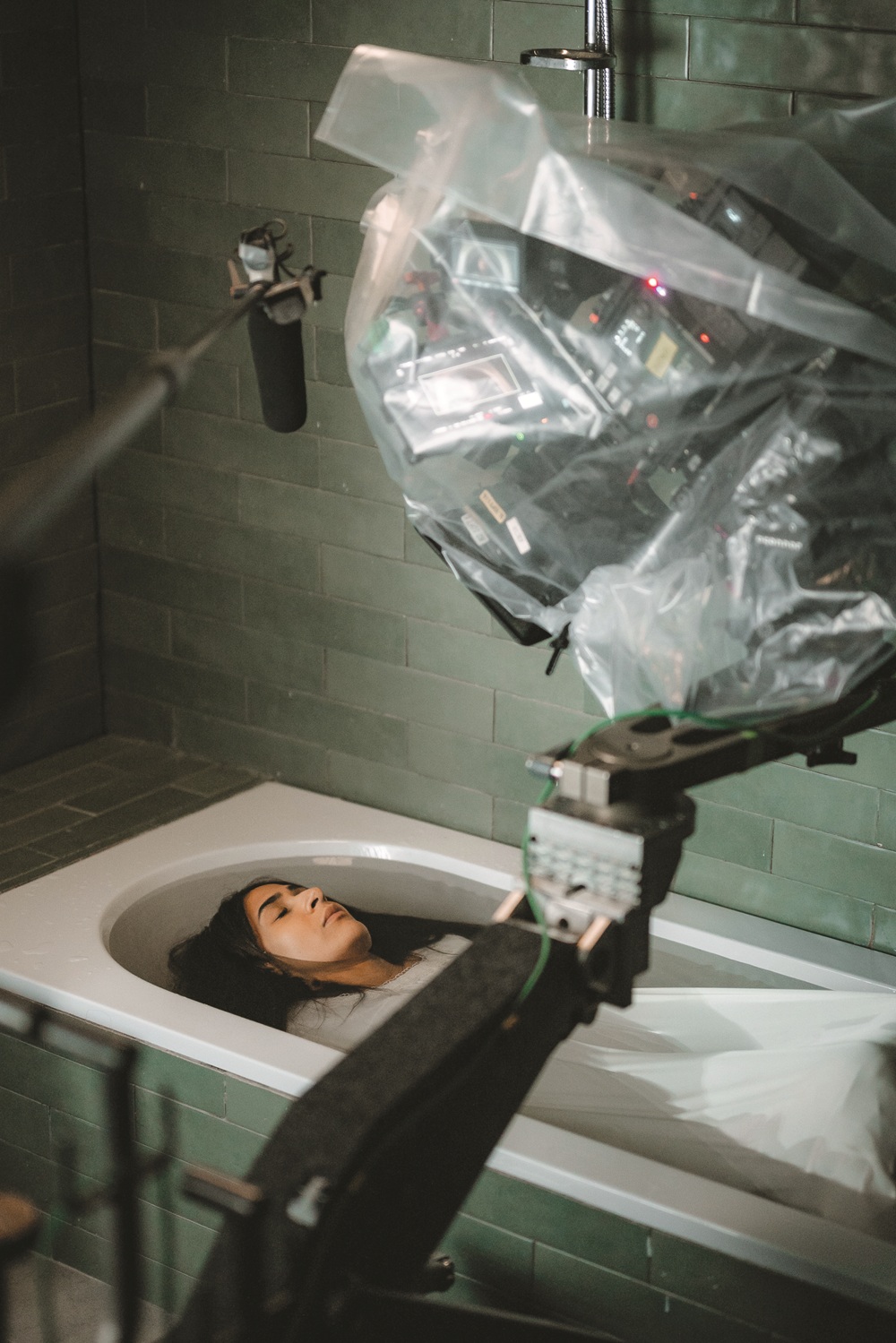
We shot digitally with a strong emphasis on dynamic range and texture. After every shot and take, we applied LUTs on set to bring the image closer to the intended post-production colour, which helped everyone stay aligned with the film’s final visual language. A substantial portion of the film was shot on built sets, including the dream sequences. The location where we built the sets was an old, decommissioned school that we transformed to serve the psychological atmosphere of the story. Every technical decision was driven by mood and emotional tone rather than spectacle. The film was shot on the framed in a 2.39:1 scope aspect ratio to support its psychological tone.
Is this the dream time to be a filmmaker in the Arab world? Is funding still a challenge?
It is an exciting time, but not an easy one. There are more platforms and opportunities, yes, but funding continuity remains a challenge. Festivals like Red Sea and Cairo are opening doors, but sustaining careers still requires resilience and long-term support structures. In the UAE in particular, we might see a surge in films being treated as serious creative and financial assets.
Can you share the budget of the film?
It was $1.6m.
Are you exploring different windowing rights and streamer interest?
Yes, we are actively navigating different windowing strategies. There has been interest from regional platforms, but we are being very considered about timing and positioning. At this stage, we are exploring all options and platforms carefully to ensure the film’s journey is handled thoughtfully and strategically. This is being managed by our sales agent.
Anything new or exclusive you can share?
What I can say is that BAAB continues to reveal itself in unexpected ways through audience response. Each screening feels like a new conversation.
What’s next for you?
I am developing new scripts that continue to explore psychological, horror and genre-driven storytelling. I would like to explore a thriller comedy that is highly commercial.