






























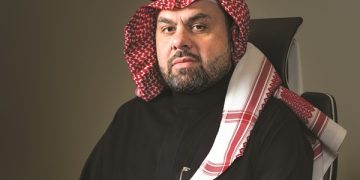










The film is produced by Ben Hania’s longtime collaborator Nadim Cheikhrouha through his companies Mime Films and Tanit Films.
MAD Distribution has acquired the Arab theatrical rights to The Voice of Hind Rajab, the latest film by Tunisian director Kaouther Ben Hania, according to a report by Deadline.
The film has also been officially selected as Tunisia’s entry for the Best International Feature Film category at the 98th Academy Awards.
Paris-based The Party Film Sales is managing international sales, while CAA Media Finance is representing the project in North America. The film has also received backing from prominent Hollywood figures including Brad Pitt, Joaquin Phoenix, Rooney Mara, Alfonso Cuarón and Jonathan Glazer.
The drama revisits the devastating story of six-year-old Hind Rajab, who was killed in January 2024 during Israel’s military campaign in Gaza, along with six members of her family and two paramedics attempting to rescue her. Their car was targeted while fleeing Gaza City, three months after the Hamas-led October 7, 2023 attacks triggered Israel’s offensive, which has since claimed more than 61,000 Palestinian lives.
According to the official synopsis, the film opens on January 29, 2024, with Palestine Red Crescent volunteers receiving a desperate emergency call from Hind, trapped inside the vehicle as gunfire echoes around her. Despite their efforts, rescuers were unable to reach her in time. The tragedy sparked international outrage and solidarity, with global protests, students at Columbia University renaming Hamilton Hall as “Hind’s Hall,” and American rapper Macklemore releasing a protest anthem of the same name.
Ben Hania, whose Four Daughters premiered at Cannes in 2023 and went on to earn an Academy Award nomination, said the decision to make the film was both urgent and personal. While traveling during the awards campaign for Four Daughters, she first heard a short audio clip of Hind’s final plea for help. Listening to the full 70-minute recording from the Red Crescent convinced her to abandon all other projects and dedicate herself to telling Hind’s story.
“I heard the sound of her voice, and I felt the ground shift beneath me,” Ben Hania explained. “After listening to the entire recording, I knew I had to drop everything else. I spoke with Hind’s mother, the rescuers who tried to help her, and those on the other end of the call. I listened, I cried, I wrote.”
The filmmaker built the screenplay around real testimonies and incorporated the authentic audio recording of Hind’s voice. She emphasised her choice to keep the violence off-screen, focusing instead on silence, waiting, and fear. “Sometimes, what you don’t see is more devastating than what you do,” she said. “At the heart of this film is something very simple, and very hard to live with: I cannot accept a world where a child calls for help and no one comes. That pain belongs to all of us.”
Ben Hania described the project as an act of memory and resistance, stressing cinema’s ability to preserve truths beyond the fleeting noise of breaking news. “May Hind Rajab’s voice be heard,” she concluded.