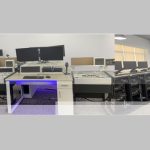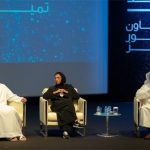







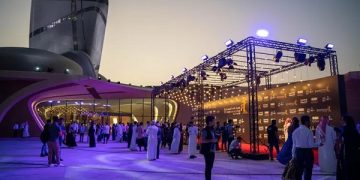






























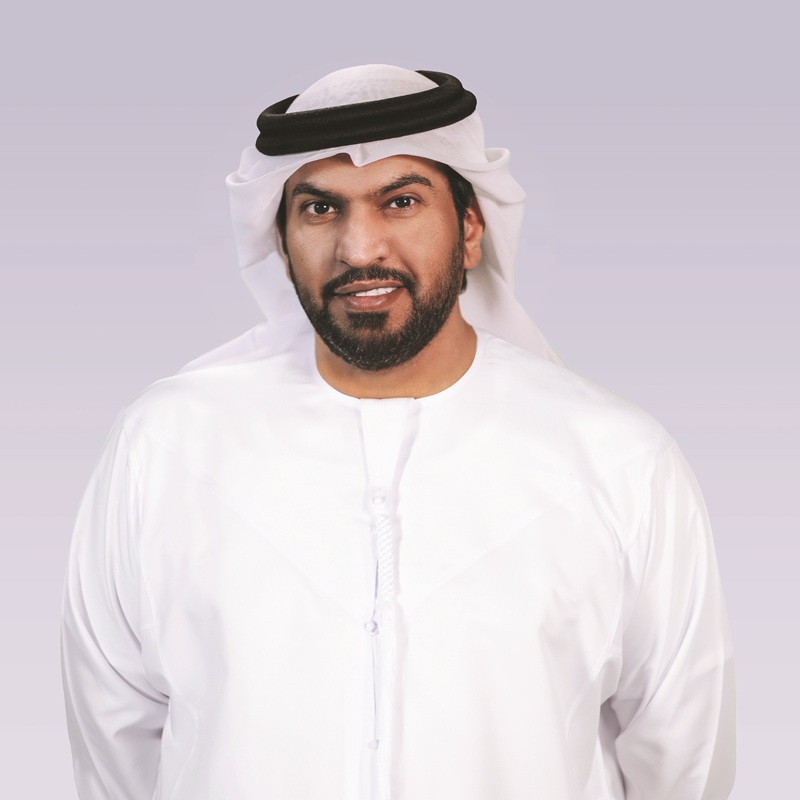
Abu Dhabi Media Company recently completed the first phase of an ambitious tech overhaul being carried out in collaboration with RCS. Chief Technology and Operations Officer Ahmed Mohsen Al Menhali tells BroadcastPro ME what this transition signifies for the company.
In an era when legacy broadcast systems are rapidly giving way to intelligent, unified platforms, Abu Dhabi Media Company (ADMC) has taken a decisive step forward by overhauling its entire radio infrastructure. Working directly with RCS, a global leader in radio automation and music scheduling, ADMC has completed the first phase of a transformation that brings eight FM stations onto a single, centralised ecosystem powered by RCS Zetta and GSelector.
Ahmed Mohsen Al Menhali, Chief Technology and Operations Officer at ADMC, says the initiative reflects the company’s long-term commitment to innovation and operational excellence: “This transformation is part of ADMC’s strategic roadmap to redefine the future of broadcasting in the region. By consolidating all our stations into one intelligent, data-driven ecosystem, we’re creating a more dynamic and collaborative environment that connects our linear and digital platforms. This evolution enhances content agility, strengthens resilience and empowers our teams to deliver richer, more engaging experiences for audiences across every channel.”
From legacy systems to a unified vision
Before the migration, ADMC’s radio operations were powered by multiple systems that had served the network reliably for years. As the organisation’s ambitions expanded towards greater integration and agility, the move to a unified platform became a natural next step in its innovation journey.
“Abu Dhabi Media has always operated with excellence across its radio brands,” explains Al Menhali. “This upgrade was not about replacing the past, it was about building on strong foundations to future-proof our operations. We wanted to create a single, intelligent ecosystem that enhances collaboration, efficiency and scalability across all stations.”
This approach led ADMC to award the migration contract to RCS in February 2025 following a comprehensive evaluation process, marking a new chapter in the network’s digital transformation.

End-to-end integration
The collaboration was designed as a full turnkey transformation encompassing software design, network architecture, hardware procurement, IT infrastructure, data migration and training.
“Our goal was to establish a resilient, future-ready environment with full redundancy and zero compromise on performance,” says Al Menhali. “This integration not only standardises workflows but creates the operational flexibility needed to scale seamlessly into new digital opportunities.”
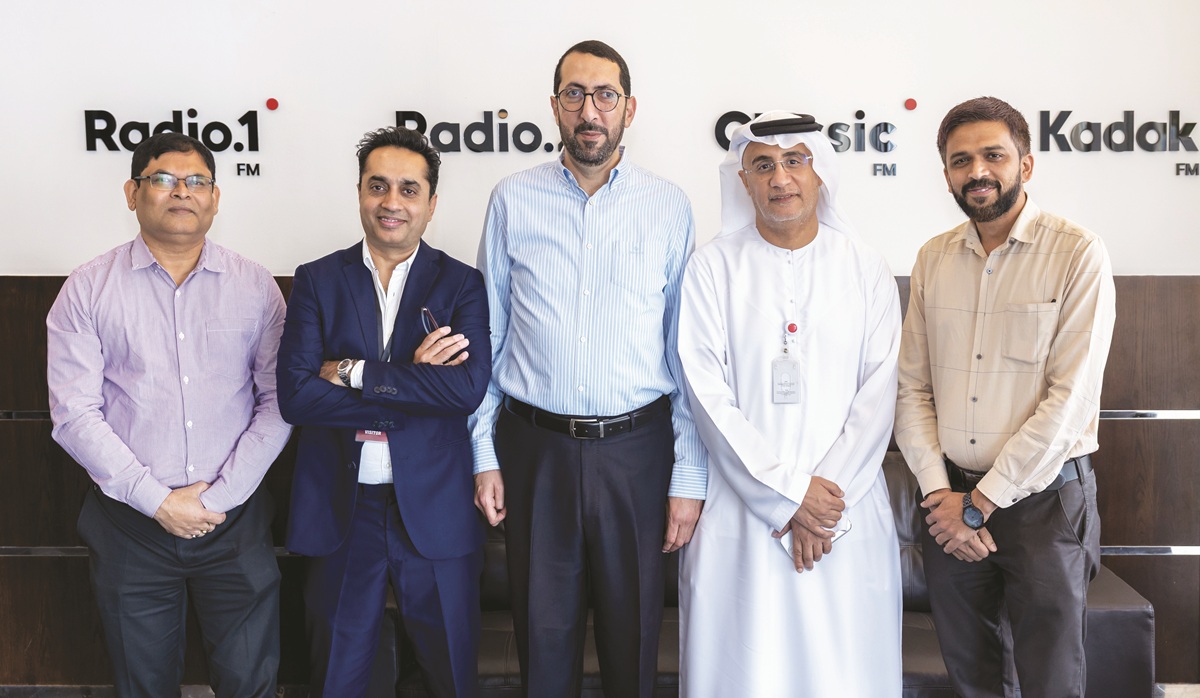
“ADMC wanted a solution provider that could take complete ownership – from software design to network architecture,” says Baher Al Zaher, Managing Director at RCS MENA. “Our team managed everything end-to-end: hardware procurement, IT infrastructure, data migration, training and testing. The goal was to give the broadcaster a turnkey solution with full redundancy and zero compromise on performance.”
Engineering the transition
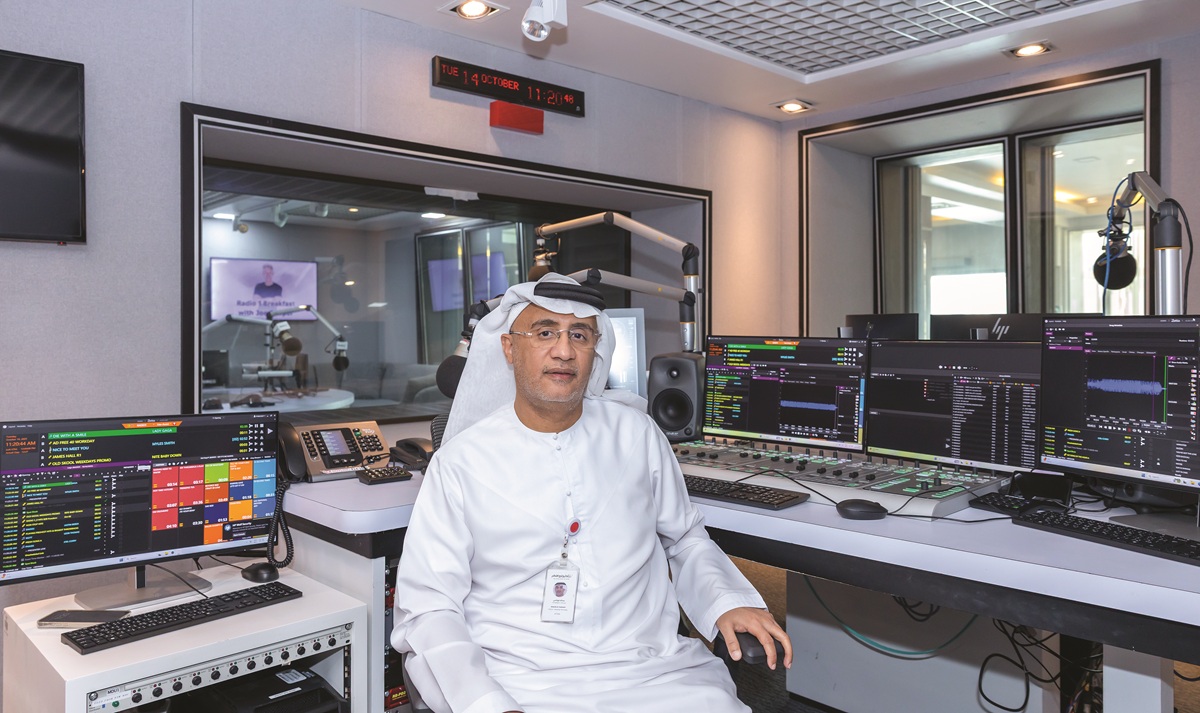
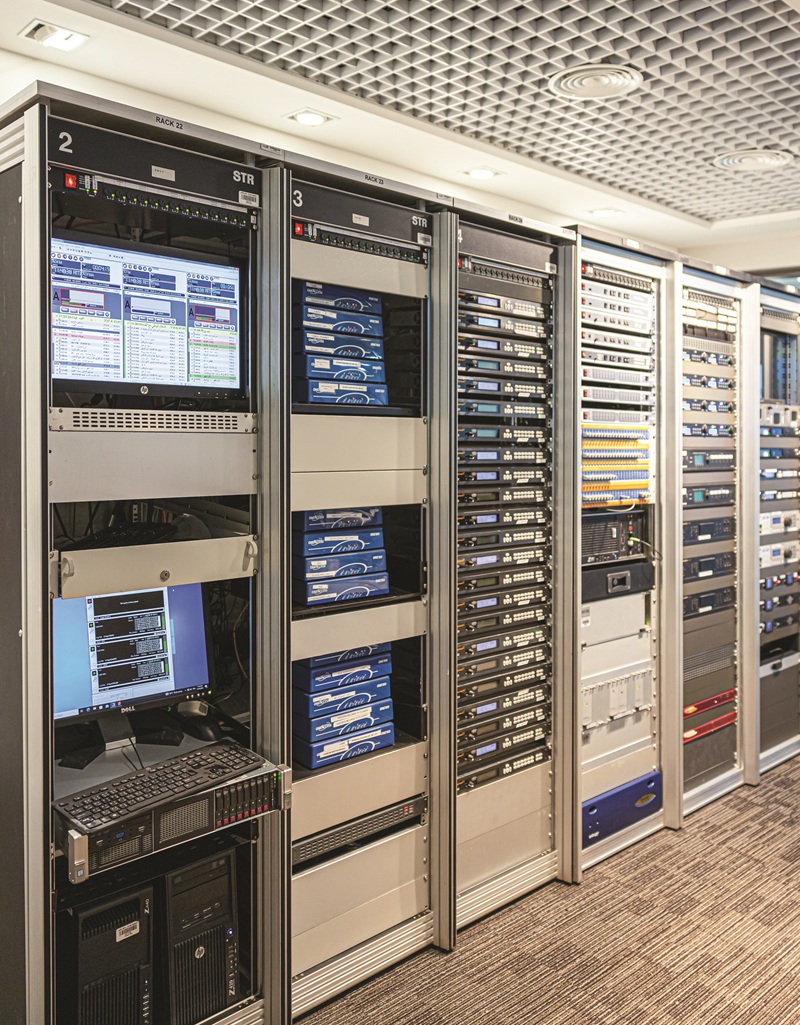
Migrating eight FM stations from two different ecosystems into one centralised environment required meticulous engineering and months of coordinated effort. Multiple staging environments were created to simulate real broadcast conditions, ensuring every audio asset, metadata tag and marker were transferred seamlessly. The new backend integrates hybrid redundancy with OS and database clustering, while Zetta’s Site Replication provides live database syncing for instant continuity.
The project’s first phase covered the full rebuild of backend audio and IT networks with complete redundancy. “All servers, databases and services have hybrid failover architecture using OS and database clustering. Each on-air playout has multi-layered redundancy – main, hot-spare and backup – with local databases and audio caches that can run independently if needed,” explains Al Zaher.
“Every element of the design was guided by our priority to ensure uninterrupted service and full business continuity,” notes Al Menhali. “This upgrade strengthens our ability to operate efficiently and securely across every scenario.”
Tailored workflows, centralised standards
Despite each channel – Arabic, English, Hindi and Quran stations – having unique programming logic, all now operate under one unified umbrella. Common workflows ensure consistency across all eight stations. “Centralised asset management makes it easy to share content, apply uniform technical standards and maintain tight control over quality,” notes Al Zaher.
For the Quran station, for example, customised scheduling templates were built to align with the yearly Adhan calendar and time-specific programming, a level of precision made possible through centralised automation and rule-based scheduling.
Redundancy and flexibility by design
The new ecosystem combines physical and virtual servers with mirrored playouts, multi-path network storage and automatic site failover capability, delivering full redundancy and scalability.
“Resilience is built into every layer of the system,” explains Al Menhali. “We’ve eliminated single points of failure and created an environment where continuity and reliability are guaranteed. This is crucial for a national broadcaster serving audiences 24/7.”
Browser-based control through Zetta2GO and Selector2GO also enables secure remote management of live playout, scheduling and voice tracking from any location, enhancing flexibility for on-air teams and ensuring seamless operations under any conditions.
Smarter scheduling, faster operations
The new platform has redefined collaboration across ADMC’s radio network. The streamlined approach has resulted in faster content delivery, reduced duplication and greater opportunities for dynamic programming and localised advertising.
“We can now activate songs, clocks and programmes across multiple stations simultaneously – tasks that once took hours now take minutes,” says Al Menhali. “Our teams can manage metadata, logs and content across all sites in real time, allowing us to focus more on creativity and content rather than technical limitations.”
Tangible gains and strategic impact
The benefits of the new system have been immediate. Workflow efficiency has improved dramatically, while the ability to manage national shows with localised ad breaks has opened new commercial opportunities.
“This transformation enhances our creative flexibility and empowers our people,” Al Menhali explains. “It allows our teams to innovate faster and align every piece of content with audience expectations, a vital capability as we move toward more interactive, multi-platform experiences.”
Building for the future
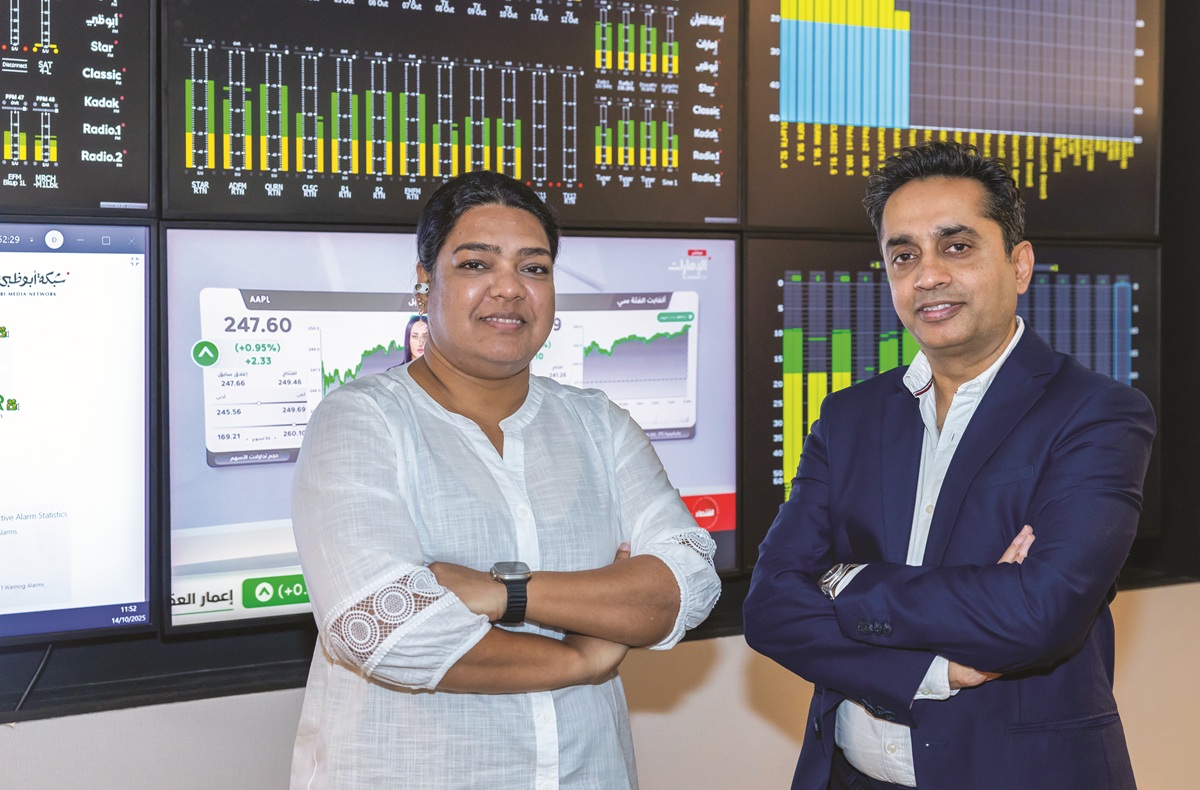
With Phase 1 completed, ADM’s new broadcast backbone now lays the groundwork for expansion into digital audio, podcasting and streaming. “This transformation isn’t just about today, it’s about where media is heading,” concludes Al Menhali. “Our new infrastructure integrates seamlessly with our digital and OTT environments and is ready for AI-driven content management. It ensures that Abu Dhabi Media remains at the forefront of broadcast innovation – nationally, regionally and globally.”
A regional benchmark
The ADMC-RCS collaboration exemplifies how innovation, resilience and integration can reshape broadcasting. It is a model for how national media institutions can modernise legacy systems while preserving cultural identity and operational excellence. By merging technology and vision, ADMC continues to strengthen its role as a leader shaping the future of the Arab media landscape – connected, intelligent and ready for tomorrow.